Storm Prep in Seminole, FL.
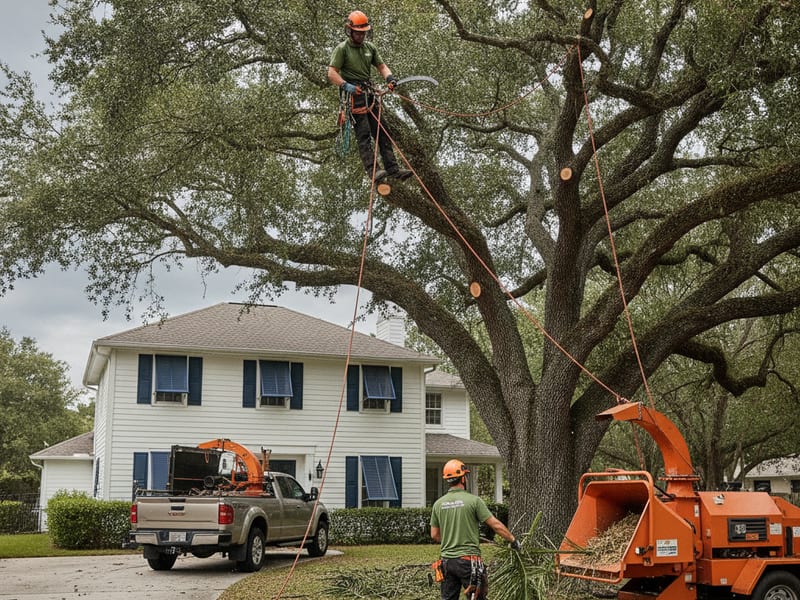
Storm Prep for Seminole homes, done by insured Tampa Bay tree crews. Every hurricane season, the same pattern plays out across Tampa Bay: trees that got trimmed in the spring survive the wind, and trees that didn't end up on a roof or across a driveway. Storm prep means proactive canopy thinning, deadwood removal, and weight reduction done before a storm is in the forecast, not after.
Why is storm prep different in St. Pete & Gulf Beaches Tampa Bay?
Barrier island and peninsula properties carry the highest hurricane wind exposure in the metro, so storm prep here means aggressive deadwood removal and canopy thinning well before the season starts.
What's included in storm prep in Seminole?
- Canopy thinning to reduce wind resistance across the property
- Deadwood removal before it becomes storm debris
- Weight reduction on long, storm-prone limbs
- Priority checks on trees closest to the house or power lines
- Palm frond cleanup to remove potential wind-borne debris
- Root zone and drainage checks around vulnerable trees
- A written pre-storm assessment for insurance or HOA records
When does a Seminole home need storm prep?
- Hurricane season is approaching and the canopy hasn't been thinned
- A tree hasn't been trimmed in three or more years
- Large dead limbs are visible in the canopy
- You live in a high wind exposure zone near the coast
- A previous storm caused damage you haven't addressed yet
- You want documentation of pre-storm tree condition for insurance
What do Seminole homeowners ask about storm prep?
How fast can you get to Seminole for storm prep?
Same-day service in Seminole on most weekdays. Call early for best same-day availability. After-hours emergency calls are answered by an on-call crew, not a dispatcher.
What does storm prep cost in Seminole?
$500-$3,000 depending on property size and canopy density. Pricing is the same across Tampa Bay, with no mileage upcharge for Seminole. We confirm a flat-rate quote before any work starts.
Why does the St. Pete & Gulf Beaches region matter for this service?
Barrier island and peninsula properties carry the highest hurricane wind exposure in the metro, so storm prep here means aggressive deadwood removal and canopy thinning well before the season starts.
How far ahead of hurricane season should storm prep happen?
Late winter through May, before the June 1 start of hurricane season, is the ideal window. Crews book up fast in late spring, so scheduling early avoids the last-minute rush.
Does storm prep actually reduce damage risk?
Yes. Thinning a dense canopy reduces the surface area catching wind, and removing deadwood eliminates the limbs most likely to snap first. It doesn't guarantee a tree survives a direct hit, but it meaningfully lowers the odds of failure in typical storm wind.
Need storm prep in Seminole?
Call for a free quote. Flat-rate pricing, same-day service on most jobs.