How to Spot a Hazardous Tree Before Hurricane Season Hits
A tree that looks fine from the street can already be a storm risk. Here is what Tampa Bay arborists actually look for before a tree comes down on a house, a car, or a power line.
The Warning Signs Above Ground
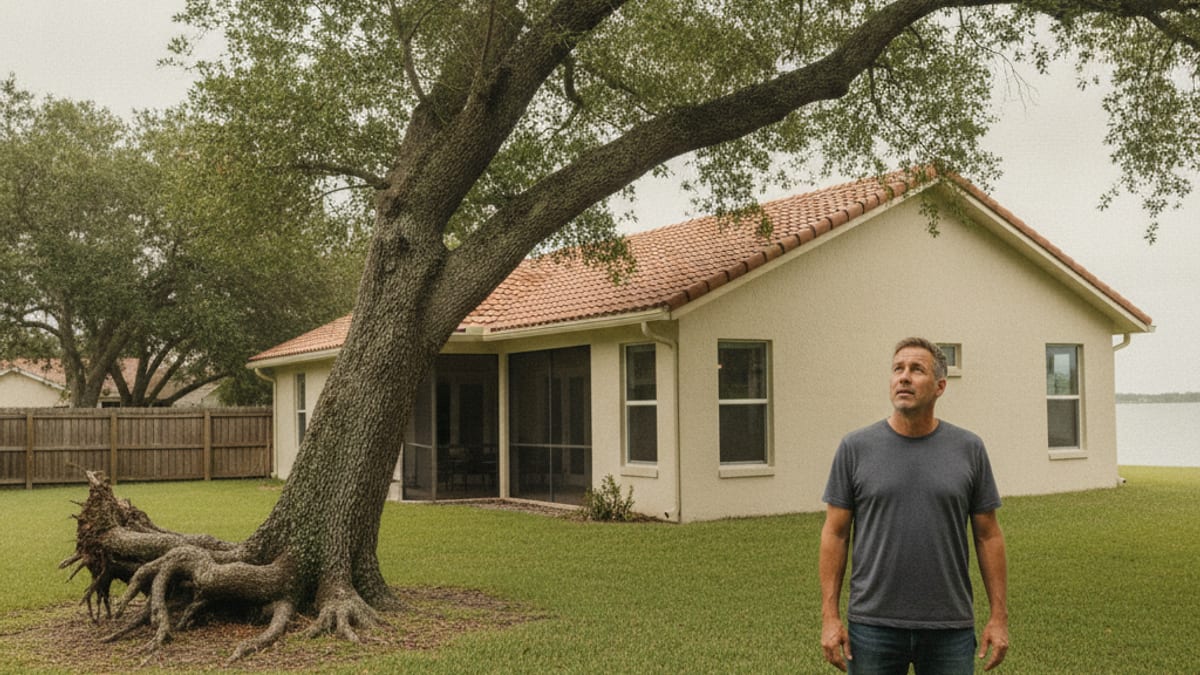
Cracks running along the trunk, hollow cavities, and mushrooms or fungal conks growing on the bark all point to internal decay you can't see from the ground. Dead branches scattered through the upper canopy, sometimes called dieback, are a warning sign even when the lower branches still look green and healthy. A lean that's new or getting worse after a storm is not something to wait out. Two large limbs meeting at a tight V instead of a wide U form what arborists call included bark, a weak union that's more likely to split under wind load. Tampa Bay's fast growing species, laurel oak especially, tend to get tall and heavy long before their wood is strong enough to carry that weight, which is why they show up so often in storm damage reports.
What's Happening Underground Matters Just as Much
Root damage from nearby construction, a trenched irrigation line, or a driveway poured a few years back doesn't always show up right away. Often the tree doesn't react until the next big blow tests what's left of the root plate. Soil that's cracking or heaving around the base after wind rocks the trunk means the roots are failing to hold, not just bending. A tree that sits in standing water for days after heavy rain, common in low lying Tampa Bay yards, loses root strength over time even if nothing looks wrong above the surface. Mushrooms growing in a ring around the base of the trunk are decay fungus feeding on the root system, not a sign the tree is thriving.
When to Get a Real Risk Assessment
You're not expected to diagnose a tree yourself. What matters is knowing when the signs above add up to something worth a professional look, especially before hurricane season starts rather than after a tree is already down. Options like cabling, crown reduction, or removal depend on the species, the lean, and what's within falling distance, which is exactly what a risk assessment is for. We connect Tampa Bay homeowners with ISA certified arborists for that kind of walk through, so you know where you stand before the next storm, not during it.
Rather have a pro handle it?
Same-day tree service across the Tampa Bay area. A real crew picks up.
Keep reading.
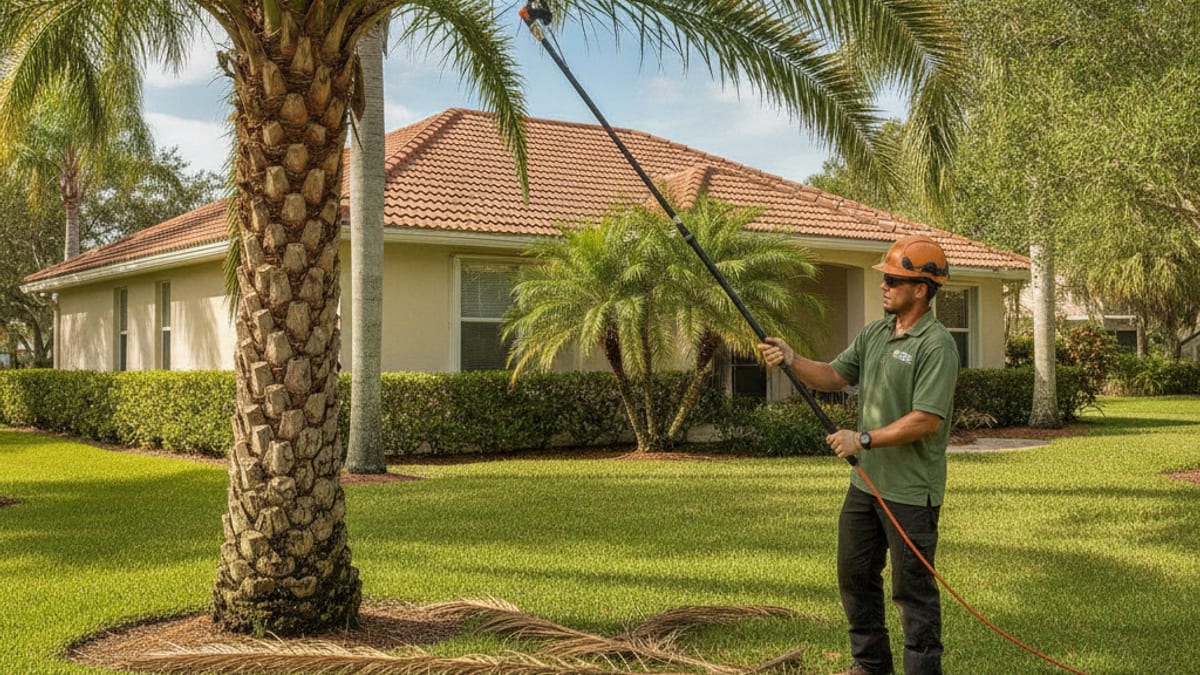
Sabal and Queen Palm Trimming: What to Cut and What to Leave Alone
Florida's sabal palm and the queen palm both get over pruned constantly, and it's the kind of mistake that weakens the tree instead of tidying it up.
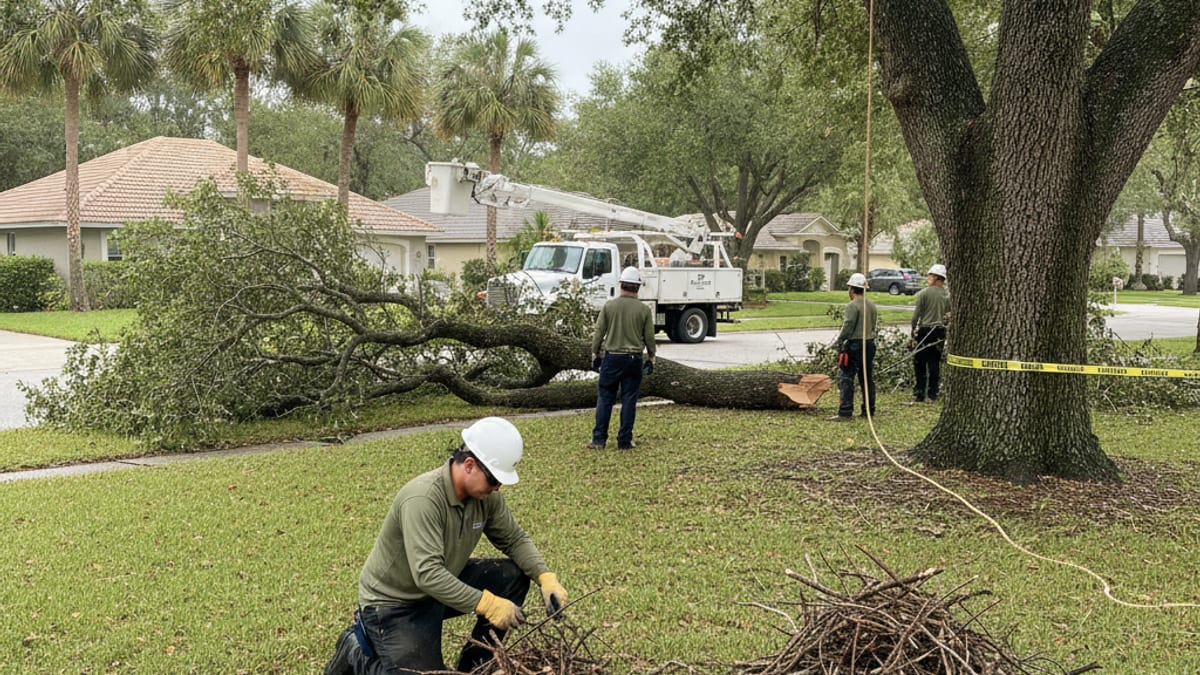
The First Hour After a Tree Falls on Your House
A tree coming down on a roof during a storm is disorienting. Here is the order of operations that keeps everyone safe and protects your insurance claim.
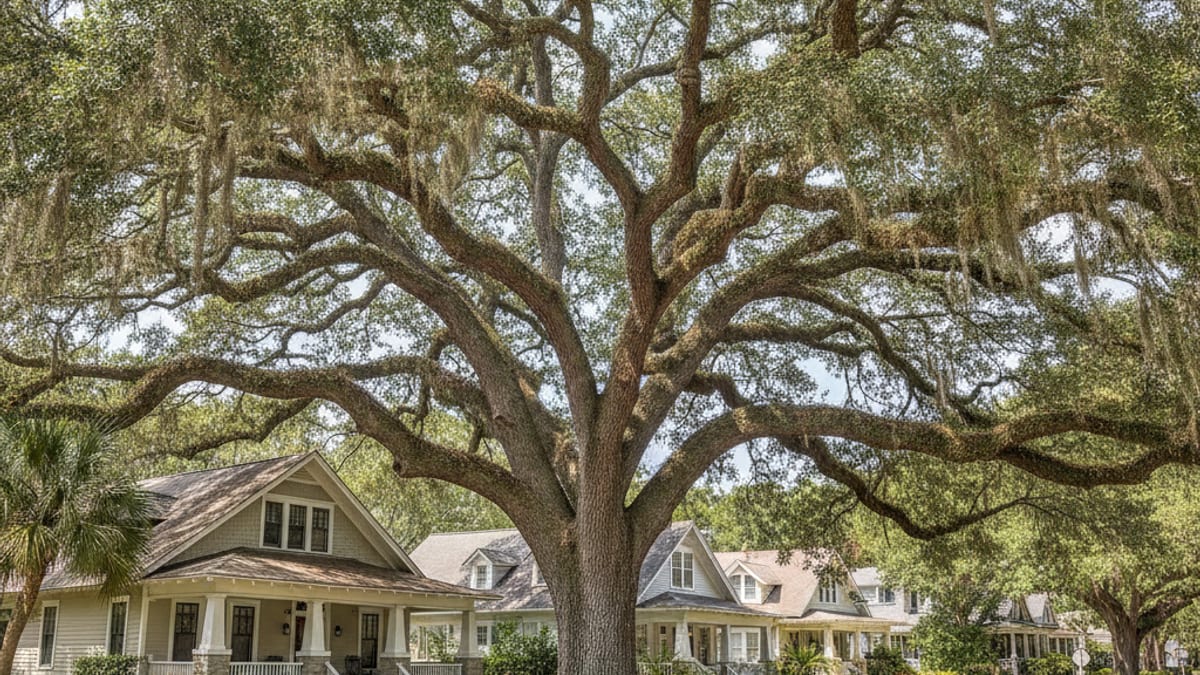
Is That Oak Protected? Tampa Bay Tree Removal Permits Explained
Cutting down a mature live oak in Hillsborough or Pinellas County without checking first can mean fines and a forced replanting order. Here is how the local rules actually work.